
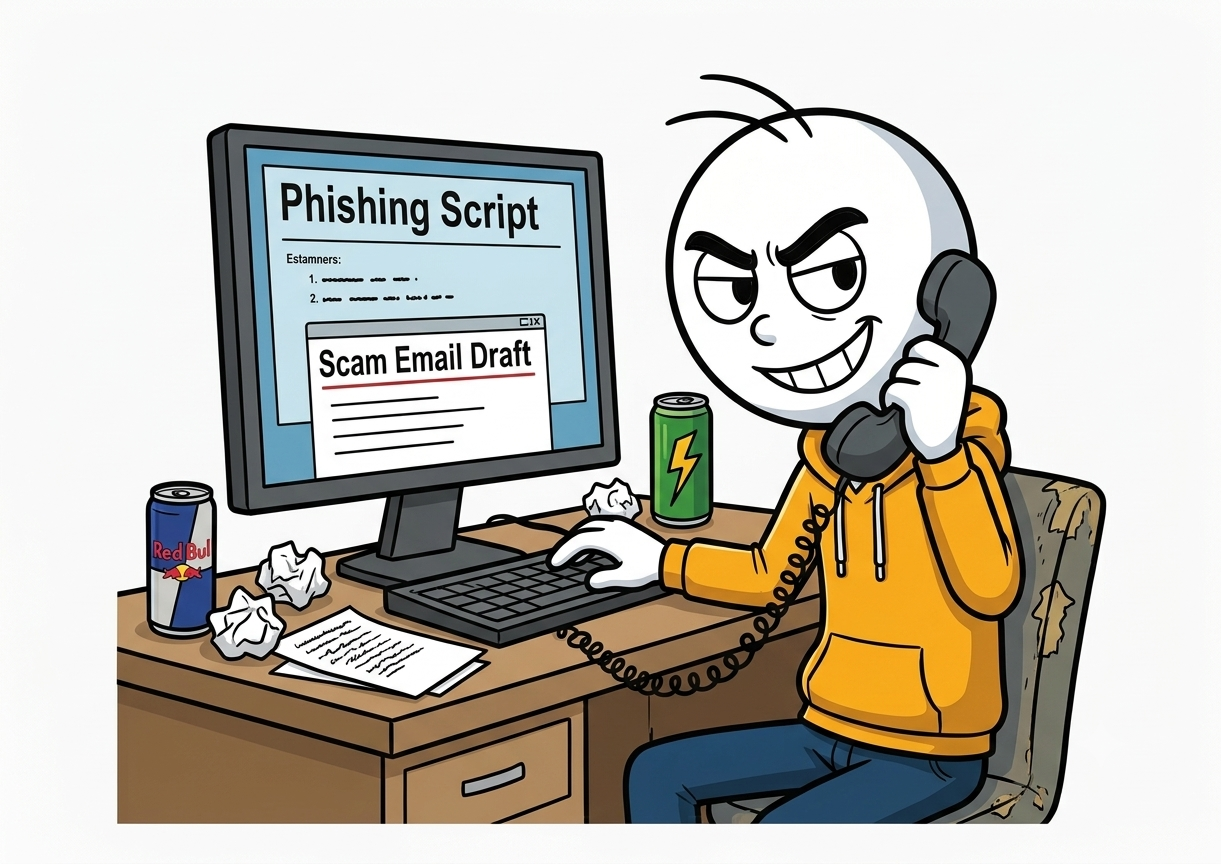
Every few months a version of this clip goes viral: someone buys a $2 USB cable, and ten minutes later claims they’ve turned it into $200. It looks like magic. It isn’t. It’s a refund loophole dressed up as a “hustle,” and the person who actually pays is a small seller on the other end.
Here’s the mechanic, start to finish, so you can see exactly where the money comes from - and, if you sell online, how to make sure it never comes from you.
How the “$2 to $200” trick actually works
The cable is a prop. The scammer isn’t making money by selling anything - they’re making money by getting a refund on something they keep. The steps are always the same:
- Buy a cheap, generic item (the $2 cable) from a marketplace that leans heavily buyer-side on disputes.
- Receive it, then open a “not as described” or “arrived damaged” case.
- Push the conversation off-platform and ask for a direct refund “to save the hassle of posting it back.”
- Keep the item and the money.
Scale that across dozens of orders and the “$200 in ten minutes” number starts to make sense. It has nothing to do with the cable and everything to do with the refund policy.
Why it works - the policy, not the product
Large marketplaces are built on buyer trust. When a buyer says an item was faulty, the default outcome favours the buyer, because a frustrated buyer is more expensive to the platform than a defrauded seller. Scammers have simply learned to speak the exact language that triggers an automatic refund.
That’s the uncomfortable part: the “scam” is really just someone abusing a system that was designed to be generous. Which is also why it’s so easy to defend against once you know the pattern.
If you sell online, here’s your defence
- Ship tracked, with signature on delivery. “It never arrived” collapses the moment you can show a signature.
- Photograph serial numbers before shipping. If a “different item” comes back, the serial won’t match.
- Film yourself packing. A 20-second clip kills most “arrived empty” claims.
- Never refund off-platform. The instant someone steers you to a direct transfer, you’ve lost every protection the marketplace gives you.
Do those four things and this scam simply doesn’t work on you.
The bottom line
“$2 into $200” is a headline, not a business. The money is a refund, the victim is a seller, and the only durable lesson here is defensive: recognise the script, keep your evidence, and stay inside the platform’s official process.

This breakdown is exactly what happened to me last week!